What Is ADR Transport? Complete Guide to Dangerous Goods Transport in Europe
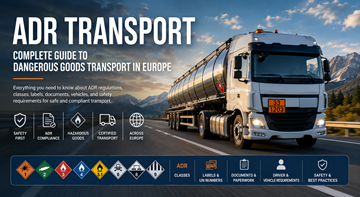
In this complete guide, we explain what ADR transport means, how dangerous goods transport works in Europe, which products are considered dangerous, what documents and labels are required, and how companies can stay compliant with European ADR regulations.
What Is ADR Transport?
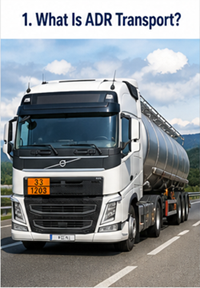
ADR transport refers to the road transport of dangerous goods under the European ADR agreement. ADR stands for “Accord relatif au transport international des marchandises Dangereuses par Route,” which is the international agreement regulating dangerous goods transport by road across Europe.
The ADR agreement defines how hazardous materials must be classified, packaged, labeled, loaded, transported, and delivered safely. Its main goal is to reduce risks for people, vehicles, infrastructure, and the environment.
- Applies to international road transport in Europe
- Covers dangerous and hazardous materials
- Defines transport safety standards
- Regulates packaging and labeling
- Specifies vehicle and driver requirements
- Reduces accident and environmental risks
ADR regulations are used across most European countries and are essential for professional logistics operations involving hazardous cargo.
What Are Dangerous Goods?
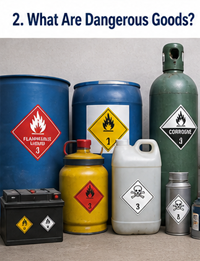
Dangerous goods are substances or materials that can pose risks to health, safety, property, or the environment during transport. These materials require special handling and transport procedures.
Many everyday products are considered dangerous goods in logistics and transport operations, even when they seem harmless to consumers.
- Fuel and diesel
- Gas cylinders
- Lithium batteries
- Paints and solvents
- Chemicals and acids
- Aerosols
- Explosives
- Industrial cleaning products
- Corrosive liquids
- Flammable materials
Transporting these products without proper ADR compliance can lead to severe fines, accidents, shipment delays, and legal liability.
ADR Classes Explained
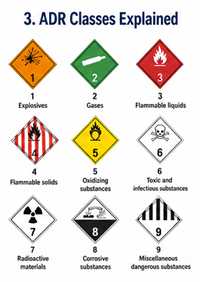
ADR regulations divide dangerous goods into multiple hazard classes depending on the type of risk they present during transport.
- Class 1 — Explosives
- Class 2 — Gases
- Class 3 — Flammable liquids
- Class 4 — Flammable solids
- Class 5 — Oxidizing substances and organic peroxides
- Class 6 — Toxic and infectious substances
- Class 7 — Radioactive materials
- Class 8 — Corrosive substances
- Class 9 — Miscellaneous dangerous substances
Each ADR class has specific transport rules, packaging requirements, vehicle markings, and safety procedures.
ADR Labels and UN Numbers
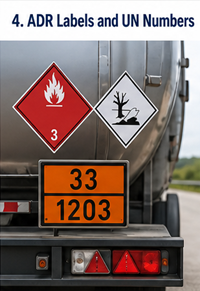
Dangerous goods shipments must include standardized labels and UN numbers that clearly identify the transported material and associated risks.
UN numbers are internationally recognized four-digit codes assigned to dangerous substances. For example, gasoline uses UN 1203.
- Hazard warning labels
- Orange ADR plates
- UN identification numbers
- Packaging markings
- Safety handling symbols
These markings help emergency services quickly identify dangerous cargo during inspections or accidents.
ADR Driver and Vehicle Requirements
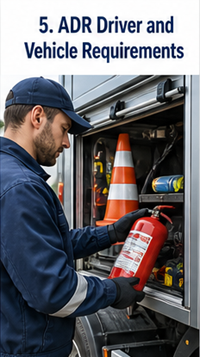
ADR transport requires specially trained drivers and properly equipped vehicles. Drivers transporting dangerous goods usually need ADR certification after completing approved training.
Vehicles used for ADR transport may also require specific equipment and safety measures depending on the transported cargo.
- ADR-certified driver
- Fire extinguishers
- Protective safety equipment
- Warning signs and orange plates
- Emergency instructions
- Approved transport packaging
- Vehicle inspection compliance
Professional ADR transport companies must ensure both drivers and vehicles fully comply with European safety standards.
ADR Transport Documents Explained
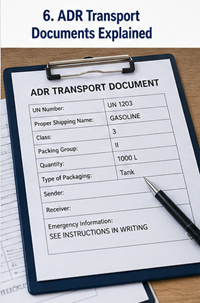
ADR shipments require detailed transport documents containing information about the dangerous goods being transported.
These documents are critical for inspections, customs procedures, emergency response, and logistics coordination.
- UN number
- Official dangerous goods name
- Hazard class
- Packing group
- Quantity and packaging type
- Sender and receiver information
- Emergency instructions
Incorrect or missing ADR documentation can result in shipment delays, penalties, and transport bans.
How ADR Transport Works in Europe
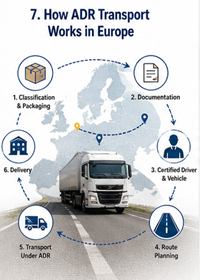
ADR transport follows strict operational procedures from shipment preparation to final delivery. Every step must comply with safety and regulatory requirements.
- Dangerous goods are identified and classified
- Products are packaged according to ADR rules
- Labels and UN numbers are applied
- Required transport documents are prepared
- ADR-certified carrier and driver are assigned
- Vehicle safety checks are completed
- Transport route is planned
- Goods are transported under ADR regulations
- Delivery and unloading procedures are completed
This structured process helps reduce accidents, environmental damage, and transport risks across Europe.
Common ADR Transport Mistakes
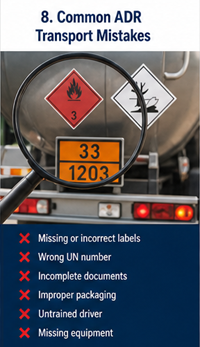
Many companies underestimate ADR requirements and unintentionally violate transport regulations. Even small compliance errors can create serious safety risks.
- Incorrect dangerous goods classification
- Missing ADR labels
- Improper packaging
- Incomplete transport documents
- Using non-certified drivers
- Vehicle safety equipment missing
- Incorrect loading procedures
Working with experienced ADR carriers and logistics platforms helps businesses avoid costly mistakes and legal problems.
Why ADR Compliance Is Important
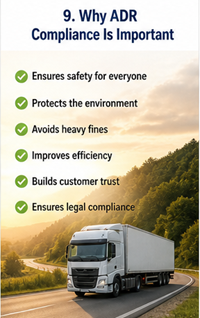
ADR compliance protects drivers, companies, customers, infrastructure, and the environment. It also improves transport reliability and reduces operational risks.
- Improves road safety
- Reduces environmental risks
- Prevents legal penalties
- Protects employees and drivers
- Improves logistics reliability
- Supports international transport operations
Professional dangerous goods transport requires careful planning, qualified personnel, and strict adherence to European ADR regulations.
ADR Transport with ExusTrans
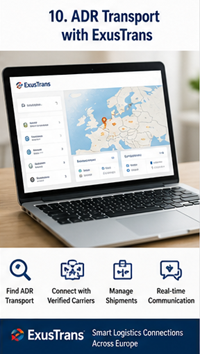
ExusTrans helps customers and carriers connect for professional transport operations across Europe, including ADR and dangerous goods logistics.
Businesses can create transport requests, communicate with carriers, manage transport documentation, and organize logistics operations more efficiently through the platform.
- Transport requests across Europe
- Direct communication with carriers
- Real-time transport management
- Vehicle and carrier coordination
- International logistics operations
Conclusion
ADR transport is essential for the safe movement of dangerous goods across Europe. Whether transporting fuel, chemicals, batteries, or industrial products, businesses and carriers must comply with strict ADR safety standards.
Understanding ADR classes, labels, documents, vehicle requirements, and transport procedures helps companies reduce risks, avoid fines, and improve logistics efficiency. As dangerous goods transport continues growing across Europe, ADR compliance becomes increasingly important for professional transport operations.
Frequently Asked Questions About ADR Transport
What does ADR mean in transport?
ADR is the European agreement regulating the international road transport of dangerous goods.
What products are considered dangerous goods?
Dangerous goods include fuel, chemicals, gases, batteries, paints, aerosols, corrosive substances, and other hazardous materials.
Do ADR drivers need special certification?
Yes. Drivers transporting dangerous goods usually need ADR training and certification depending on the cargo type.
What is a UN number in ADR?
A UN number is an internationally recognized identification code used for dangerous substances during transport.
Can vans transport dangerous goods?
Yes. Vans can transport dangerous goods if ADR regulations, quantity limits, packaging rules, and safety requirements are respected.
What documents are required for ADR transport?
ADR shipments typically require transport documents including UN numbers, hazard classes, packing groups, sender and receiver information, and emergency instructions.
Are lithium batteries covered by ADR rules?
Yes. Lithium batteries are regulated dangerous goods and require ADR-compliant transport procedures.
What happens if ADR rules are violated?
Violations can result in heavy fines, shipment delays, legal liability, vehicle immobilization, and increased safety risks.
eXus Dev