Vehicle Types Used in Exceptional Transport & Heavy Haul Logistics
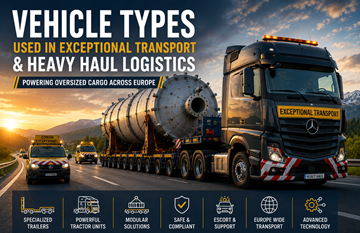
In this guide, we explain the most important vehicle types used in exceptional transport and heavy haul logistics, how they work, which cargo they transport, and why specialized transport equipment is essential for oversized cargo operations.
What Are Heavy Haul Vehicles?
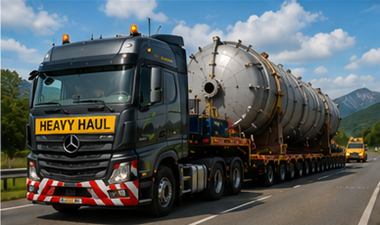
Heavy haul vehicles are specialized transport trucks and trailers designed to carry oversized or extremely heavy cargo that exceeds normal road transport dimensions or weight limits.
These vehicles are built to distribute heavy loads safely, improve transport stability, and navigate difficult transport routes across Europe.
- Designed for oversized cargo
- Built for heavy axle loads
- Used in exceptional transport
- Require specialized drivers
- Support industrial logistics
- Operate with transport permits
Low Loader Trailers
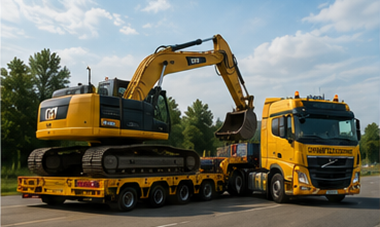
Low loader trailers are among the most common vehicles used in exceptional transport. Their low deck height allows oversized cargo to remain within legal height limits while transporting tall machinery and industrial equipment.
Low loaders are commonly used for transporting excavators, bulldozers, cranes, agricultural machinery, and heavy industrial components.
- Low transport platform
- Ideal for tall cargo
- Used for heavy machinery
- High transport stability
- Multiple axle configurations
- Common in construction logistics
Extendable Trailers
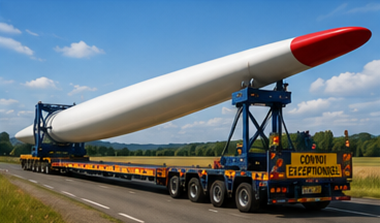
Extendable trailers are designed for transporting extremely long cargo such as wind turbine blades, steel beams, bridge elements, pipes, and industrial structures.
The trailer chassis can extend to accommodate oversized cargo lengths while maintaining safe weight distribution.
- Adjustable trailer length
- Transport for long cargo
- Used for wind turbine blades
- Suitable for steel structures
- Improved cargo stability
- Common in infrastructure projects
Modular Trailer Systems
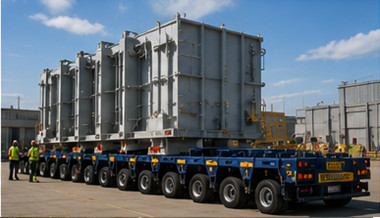
Modular trailer systems are advanced heavy haul transport platforms designed for extremely heavy cargo that standard trailers cannot safely carry.
These systems consist of multiple axle modules that can be combined depending on cargo dimensions and total weight.
- Multiple axle modules
- Extremely high weight capacity
- Flexible trailer configuration
- Hydraulic steering systems
- Used for industrial projects
- Suitable for power plant equipment
Multi-Axle Heavy Haul Trailers
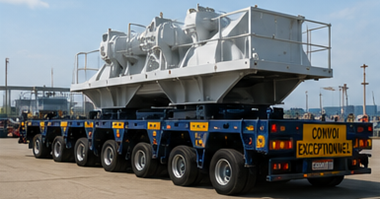
Multi-axle trailers distribute heavy cargo weight across several axles to reduce road pressure and improve transport safety.
These trailers are widely used for oversized cargo operations where total transport weight exceeds normal legal road limits.
- Improved weight distribution
- Reduced axle pressure
- Enhanced road safety
- Heavy industrial cargo transport
- Long-distance oversized transport
- Specialized suspension systems
Heavy-Duty Tractor Units
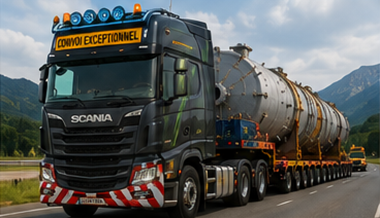
Heavy-duty tractor units provide the power needed to move oversized cargo trailers and heavy haul transport systems across difficult routes.
These trucks are equipped with powerful engines, reinforced chassis systems, and advanced braking technologies for heavy transport operations.
- High engine power
- Reinforced chassis
- Advanced braking systems
- Long-distance transport capability
- Special heavy haul configurations
- Used in industrial logistics
Crane Trucks in Exceptional Transport
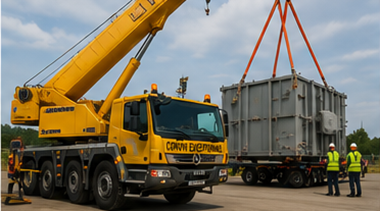
Crane trucks combine cargo transport and lifting capabilities in one vehicle. They are commonly used for loading, unloading, and positioning oversized equipment.
These vehicles are especially useful in construction, industrial logistics, and infrastructure projects where independent lifting equipment is required.
- Integrated lifting systems
- Construction logistics support
- Industrial equipment handling
- Flexible loading operations
- Reduced equipment dependency
- Suitable for difficult locations
Self-Propelled Modular Transporters
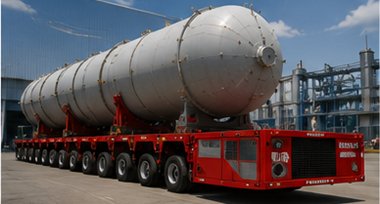
Self-propelled modular transporters, often called SPMTs, are highly specialized transport platforms used for extremely heavy or unusually shaped cargo.
Unlike standard trailers, SPMTs can move independently using integrated hydraulic and steering systems.
- Independent propulsion systems
- Hydraulic steering technology
- Extremely heavy cargo transport
- Industrial project logistics
- Bridge and shipyard operations
- Advanced maneuverability
Escort Vehicles Used in Heavy Haul Operations
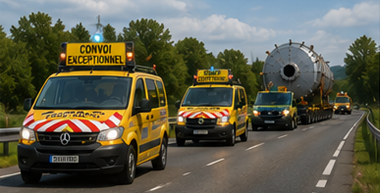
Escort vehicles are critical for oversized transport safety. They help manage traffic, warn road users, monitor difficult road sections, and support transport convoys during heavy haul operations.
Depending on regulations and cargo dimensions, oversized transport operations may require front escort vehicles, rear escort vehicles, or police coordination.
Specialized Vehicles for Wind Turbine Transport
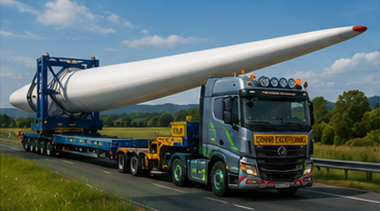
Wind energy projects use highly specialized vehicles for transporting turbine blades, tower sections, nacelles, and generators.
Because wind turbine components are extremely long and heavy, transport companies often use extendable trailers, blade lifters, and modular heavy haul systems.
- Blade lifting trailers
- Extendable wind trailers
- Heavy nacelle transport systems
- Tower section trailers
- Advanced steering systems
- Renewable energy logistics
Technology in Modern Heavy Haul Vehicles
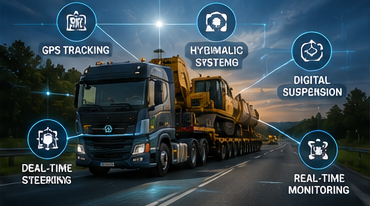
Modern heavy haul vehicles increasingly use digital technologies to improve transport safety, efficiency, and operational control.
GPS tracking, digital suspension systems, hydraulic steering technology, route analysis software, and telematics help operators manage oversized transport more effectively.
- GPS convoy tracking
- Hydraulic steering systems
- Digital suspension control
- Fleet telematics
- Real-time route monitoring
- Advanced braking technologies
Future of Exceptional Transport Vehicles
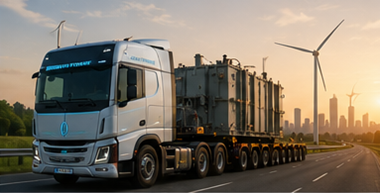
The future of exceptional transport vehicles will focus on increased efficiency, sustainability, automation, and digital logistics integration.
Electric heavy haul trucks, advanced autonomous steering systems, and smart logistics technologies are expected to play a larger role in oversized cargo transport operations across Europe.
Conclusion
Vehicle types used in exceptional transport are essential for moving oversized and heavy cargo safely across Europe. From low loaders and extendable trailers to modular transport systems and heavy-duty tractor units, every vehicle type serves a specific role in heavy haul logistics.
As infrastructure, renewable energy, and industrial projects continue expanding, specialized heavy haul vehicles will remain critical for supporting modern European logistics and transport operations.
Frequently Asked Questions
What vehicles are used in exceptional transport?
Low loaders, modular trailers, extendable trailers, heavy-duty tractor units, crane trucks, and multi axle heavy haul trailers are commonly used.
What is a low loader trailer?
A low loader is a specialized trailer with a very low deck height designed for transporting tall or heavy machinery.
What are modular trailer systems?
Modular trailers are flexible heavy haul transport systems made of multiple axle modules used for extremely heavy cargo.
Why are multi axle trailers important?
Multi axle trailers distribute heavy cargo weight more evenly to improve road safety and reduce axle pressure.
What is an SPMT vehicle?
An SPMT is a self-propelled modular transporter used for transporting extremely heavy or oversized industrial structures.
Which vehicles transport wind turbine blades?
Extendable trailers, blade lifting trailers, and modular heavy haul systems are commonly used for wind turbine transport.
Why are escort vehicles used in heavy haul logistics?
Escort vehicles improve safety, help manage traffic, and assist oversized transport convoys during difficult transport operations.
How is technology improving heavy haul vehicles?
GPS tracking, hydraulic steering systems, telematics, digital suspension systems, and route planning software improve safety and efficiency.
eXus Dev